
Best Bourbon Trail Stops for Beginners: A No-Stress 2026 Guide to Your First Sip
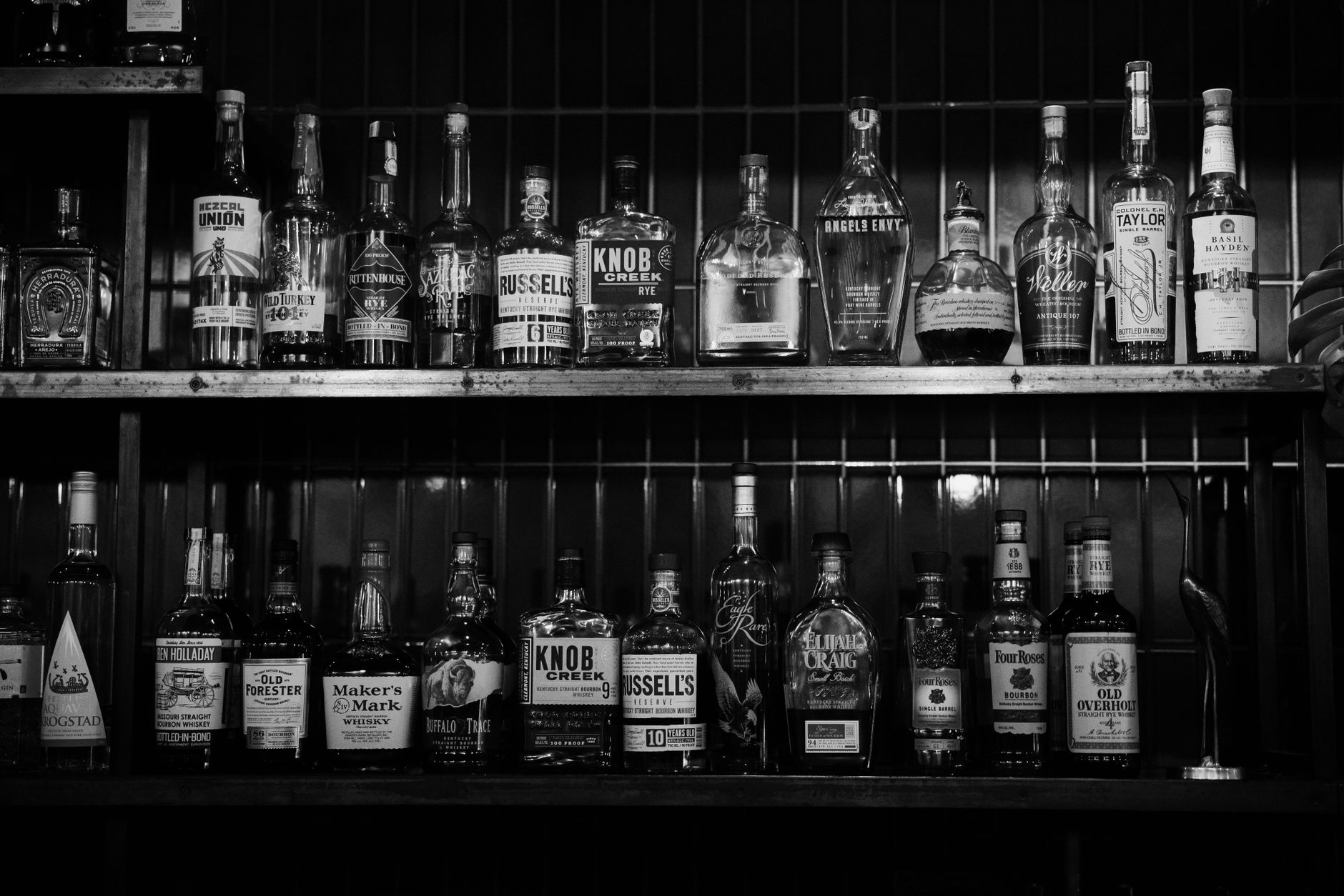
The bourbon industry just crossed a historic threshold: for the first time ever, Kentucky distilleries collectively produced over 2 million barrels in a single year, with 2026 shaping up to shatter that record again. New visitors are flooding the Bluegrass State at unprecedented levels—many of them clutching a Glencairn glass for the very first time. If you’re among the bourbon-curious but feel intimidated by warehouse jargon, mash bill minutiae, or the sheer logistics of 35+ distilleries spread across hundreds of miles, you’re not alone. Finding the best bourbon trail stops for beginners means identifying where patient educators, manageable tour lengths, and genuinely welcoming atmospheres intersect.
This isn’t about dumbing down bourbon. It’s about building confidence. These five distilleries and experiences give first-timers the foundation to appreciate what’s in the glass without the pressure to already know everything.
Why Beginner-Friendly Matters More Than Ever in 2026
The Kentucky Bourbon Trail has expanded aggressively. With 18 official KBT distilleries and another 20+ on the Craft Tour, paralysis by analysis is real. Meanwhile, reservation systems have tightened—some distilleries now release slots 90 days out and sell out within hours. For beginners, a bad first experience (rushed tasting, condescending guide, sensory overload) can kill curiosity before it blooms.
The best bourbon trail stops for beginners share specific traits: flexible booking windows, tours under 90 minutes, tasting formats that explain why you’re nosing vanilla or caramel, and staff who read the room rather than perform. Here’s where to find them.
Buffalo Trace: The Free Entry Point That Refuses to Intimidate
Buffalo Trace in Frankfort remains the essential first stop for one undeniable reason: its classic tour costs zero dollars. In an era where $50+ experiences are becoming standard, this matters enormously for beginners testing their interest.
The standard tour runs roughly 55 minutes, moving through historic buildings without overwhelming you with chemistry. Guides here are trained to gauge your group—if you’re with novices, they’ll explain why that rickhouse smells like angel’s food cake (the “angel’s share” evaporation) without making you feel like you missed a prerequisite course.
Beginner-specific tips:
- Book exactly 30 days out at 9:00 AM ET; free tours vanish fast but the system is predictable
- Skip the hard-to-get Eagle Rare or Weller tours for your first visit; the classic tour builds vocabulary you’ll need later
- Visit the gift shop post-tour when bottles are sometimes available at retail—first-timers often score their first allocated bottle here
The downside? Buffalo Trace’s popularity means crowds. Arrive 20 minutes early, and don’t expect quiet contemplation. Think of it as bourbon’s lively introduction, not its graduate seminar.
Woodford Reserve: Where Production Meets Pure Aesthetics
If Buffalo Trace is your energetic welcome, Woodford Reserve is where you learn to look at bourbon differently. The distillery sits on a National Historic Landmark campus with limestone buildings, copper pot stills, and barrel warehouses that photograph like cathedral interiors.
The standard tour here lasts 70 minutes and emphasizes the triple-distillation process unique among major Kentucky distilleries. For beginners, this is pedagogically perfect: seeing the same spirit transformed across three stills makes the concept of “distillation” tangible rather than abstract.
What elevates Woodford for novices is the sensory consistency. Their core range (Distiller’s Select, Double Oaked, Rye) uses identifiable flavor bridges—if you taste standard bourbon, the Double Oaked’s extra wood exposure becomes an “aha” moment rather than a puzzle.
Beginner-specific tips:
- The 12:30 PM tour typically has smaller groups on weekdays
- Spring for the $35 Chocolate Bourbon Pairing if available; the structured format teaches you to isolate flavors with edible reference points
- The grounds include walking paths; budget 30 extra minutes to decompress between tour and tasting
Wilderness Trail: The Craft Distillery That Explains Everything
Not all beginners want heritage brands first. Some need to see bourbon built from raw ingredients without the 150-year mythology. Wilderness Trail in Danville delivers this with almost academic patience.
Founded by former fermentation scientists, this distillery approaches tours with explicit educational intent. Their standard experience runs 75 minutes and spends serious time on the grain silo, the mash cooker, and the fermentation tanks—areas many major distilleries skip or view from distance. You’ll smell sour mash, see yeast propagation discussed seriously, and understand why 64% corn versus 75% corn matters.
For beginners who learn by process rather than story, this is transformative. The staff includes actual distillers who rotate through tour duty, meaning your guide might be the person who proofed that barrel yesterday.
Beginner-specific tips:
- Tours require advance booking but typically have better availability than KBT legacy distilleries
- Their bottled-in-bond and single barrel expressions offer clear, affordable examples of regulated categories you’ll encounter everywhere
- Danville itself is less tourist-saturated than Bardstown or Louisville; combine with lunch at The Hub Coffee House & Café for a relaxed day
Maker’s Mark: The Hand-Dipping Ritual That Creates Ownership
There’s psychological research behind why Maker’s Mark works for beginners: the hand-dipping experience transforms passive consumption into active participation. After your tour, you dip your own bottle in the signature red wax, creating a physical memory anchor that outlasts any tasting note.
The 45-minute standard tour is among the shortest on the trail, respecting that novices have limited attention spans for industrial processes. The campus in Loretto is also genuinely beautiful—rolling hills, restored limestone buildings, and the Star Hill Provisions restaurant for post-tour recovery.
What Maker’s understands: beginners need permission to have preferences. Their tasting format explicitly encourages reactions without judgment. “This is too sweet for me” is treated as useful data, not failure.
Beginner-specific tips:
- The wax dipping is available without a tour; if you’re traveling with a non-drinking companion, they can participate fully
- Ambassador program enrollment is free and includes your name on a barrel; the 6-7 year wait for bottle notification teaches patience and builds long-term engagement
- Visit late afternoon when light hits the campus optimally and crowds thin
The Bardstown Bourbon Company: Modern Transparency Without Pretension
The newest essential stop for beginners isn’t a 19th-century landmark—it’s a gleaming facility opened in 2016 that produces bourbon for multiple brands while operating its own distillery experience. The Bardstown Bourbon Company represents modern Kentucky transparency: glass walls, visible production floors, and a “collaborative distilling” model that explains contract production without stigma.
Their Blending Experience ($75, 90 minutes) is arguably the best educational investment for beginners on the entire trail. You don’t just taste—you create a 200ml blend of your own, learning how different aged components interact. This kinesthetic learning cements understanding of why distillers blend at all.
Beginner-specific tips:
- Book the Blending Experience at least 45 days ahead; it’s limited to 12 participants
- The on-site restaurant serves excellent food that demonstrates bourbon as culinary ingredient, not just sipping spirit
- Their Fusion Series and Origin Series bottles offer clear, affordable examples of different mash bills—buy one of each to compare at home
Building Your First Itinerary: Logistics That Actually Matter
Start with two distilleries maximum per day. Beginner fatigue is real—after 90 minutes of nosing and tasting, your olfactory system needs recovery. The best bourbon trail stops for beginners work best with 90-minute gaps between experiences, ideally filled with food or outdoor activity.
Consider this three-day framework:
- Day 1: Buffalo Trace (morning) + lunch in Frankfort + afternoon free for downtown exploration
- Day 2: Woodford Reserve (morning) + drive through horse country + Maker’s Mark (late afternoon)
- Day 3: Wilderness Trail (morning) + Bardstown Bourbon Company (afternoon blending experience)
This progression moves from accessible heritage to process transparency to hands-on creation. Each stop builds vocabulary and confidence without repetition.
Conclusion: Your First Pour Sets the Trajectory
The best bourbon trail stops for beginners aren’t the ones with the rarest bottles or the longest waitlists. They’re the environments where curiosity gets rewarded with patience, where complexity gets introduced through structure rather than assumption, and where you leave with enough understanding to ask better questions next time.
Bourbon isn’t a test you pass or fail. It’s a living tradition that happens to be experiencing unprecedented growth and creative energy right now. These five stops give you the foundation to participate in that energy—whether your next visit is six months or six years away.
Book that first reservation. The barrels are waiting, and unlike the whiskey inside them, you don’t need years of aging to be ready.