
Bourbon Trail Solo Traveler Safety Tips: A Smart Guide for 2026
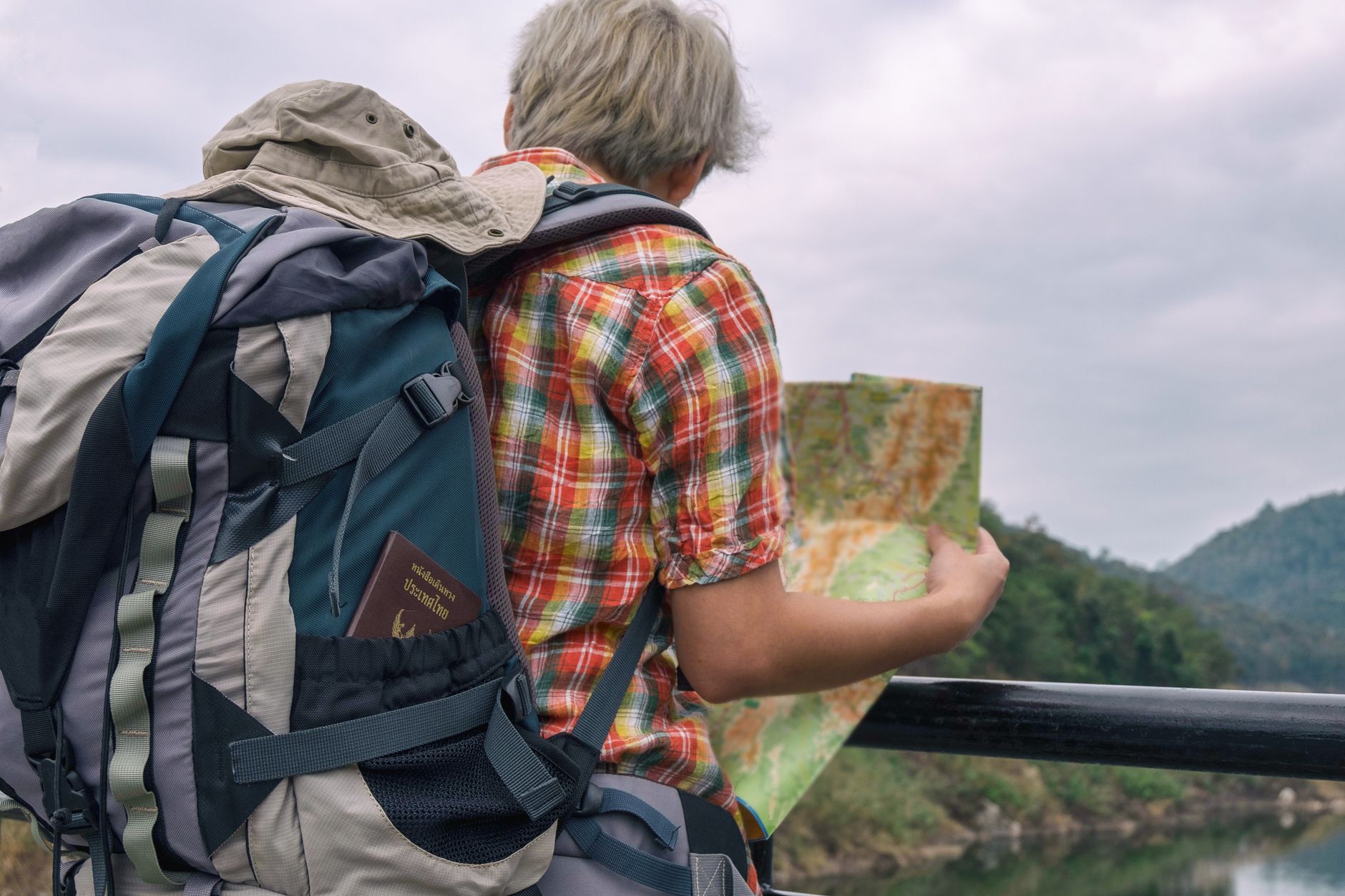
With the Kentucky Distillers’ Association reporting that solo travelers now make up 34% of all bourbon trail visitors in 2026—a post-pandemic surge that’s reshaping how distilleries design their experiences—there’s never been a better time to explore Kentucky’s whiskey country on your own terms. But here’s the reality no one talks about: sipping 100+ proof bourbon across multiple rural stops, often on winding backroads with spotty cell service, creates a unique risk profile that group travelers simply don’t face.
If you’re planning a solo bourbon adventure, you need more than generic travel advice. You need bourbon trail solo traveler safety tips tailored to the specific challenges of this experience—where your judgment literally decreases with every tasting, where rideshare coverage gaps exist, and where “I’ll figure it out later” can turn a dream trip into a dangerous situation.
This guide covers the practical, non-obvious strategies that keep you safe without dampening the joy of independent discovery.
Why Solo Bourbon Travel Requires Different Safety Planning
The bourbon trail isn’t a typical solo destination. You’re not wandering museums or browsing city shops—you’re consuming high-proof alcohol in isolated locations, often with limited exit options. Distilleries sit on former farmland, sometimes 20+ minutes from the nearest town. The “craft trail” expansion into counties like Marion, Boyle, and Anderson has added incredible diversity but also stretched infrastructure thin.
Solo travelers face three compounding risks:
- No built-in accountability — No friend to say “you’ve had enough” or notice you’re unwell
- Transportation fragility — One missed rideshare or dead phone battery strands you
- Social vulnerability — Predators unfortunately target solo visitors at popular tourist stops
The good news? Kentucky’s distillery culture has evolved dramatically. Most major stops now have dedicated solo visitor protocols, and the 2026 expansion of the Bourbon Trail without car options has improved connectivity. You just need to use them strategically.
Build Your Pre-Trip Safety Infrastructure
Smart safety starts before you cross the Kentucky border.
Register your itinerary with someone who will actually check in. Not a casual “I’ll text you later”—set specific check-in times with a designated contact who knows to raise alarm if you miss two consecutive updates. Use location sharing (Google Maps or Apple Find My) with at least two people, not just one.
Pre-download offline maps for the entire trail region. Kentucky’s bourbon country has notorious dead zones, particularly between Bardstown and Lebanon, and around newer distilleries like Castle & Key and Preservation. Google Maps offline functionality covers this; test it before you need it.
Research each distillery’s solo visitor policies. Woodford Reserve, Maker’s Mark, and Buffalo Trace now offer “solo traveler badges” that discreetly alert staff you’re alone—triggering extra water offers, pacing reminders, and priority assistance if you appear impaired. Ask when you check in; they’re not advertised prominently.
Book accommodations with 24-hour front desk coverage. The charming Airbnb in a converted bourbon warehouse might photograph beautifully, but if you’re returning at 9 PM after four tastings and your key code fails, you want human help available. The hotels with shuttle service offer additional security for solo visitors.
Master the Tasting Room: Pacing Protocols That Actually Work
The biggest solo safety risk isn’t crime—it’s overconsumption without social brakes. Here’s how to taste extensively while staying in control.
Adopt the “one pour, one water, one walk” rule. For every standard tasting pour (typically 0.5–1 oz), drink 8 oz of water and take a 5-minute walk outside the tasting room. This isn’t prudish—it’s what distillery staff do themselves during industry events. The walk component matters; standing and circulating metabolizes alcohol differently than sitting in a tasting chair.
Request reduced pours explicitly. Every Kentucky distillery can accommodate this, though you must ask. “I’m driving and tasting extensively today—could I have half-pours?” is universally respected. Some, like Four Roses and Wild Turkey, now offer “explorer flights” with 0.25 oz pours specifically designed for multi-stop days.
Eat strategically, not just eventually. The “bourbon trail with food options” guide covers this comprehensively, but solo travelers need specific timing: substantial protein and fat before your first tasting, not after your second. Think hot brown, country ham, or even a gas station boiled egg pack—anything to slow absorption.
Use the spit bucket without embarrassment. Professional tasters do this constantly. You’re not “wasting” bourbon; you’re respecting it by staying alert enough to actually perceive it. Heaven Hill and Jim Beam American Stillhouse provide discrete spit cup options upon request.
Navigate Between Stops: The Transportation Safety Net
This is where solo bourbon travel gets logistically tricky. You cannot legally drive after a standard tasting flight, and Kentucky’s rural infrastructure doesn’t forgive poor planning.
Pre-book a dedicated driver for multi-stop days. This is non-negotiable for ambitious itineraries. Options in 2026 include:
- Bourbon Trail Chauffeur (regional service, $350–450/day, knows distillery schedules intimately)
- Local taxi companies in Bardstown, Frankfort, and Lawrenceburg offer “bourbon day rates” if you call directly—often 40% cheaper than apps
- Distillery-coordinated shuttles—Heaven Hill and Stitzel-Weller now partner with local services for solo visitor bookings
Never rely solely on rideshare apps. Uber and Lyft coverage is expanding but remains unreliable outside Lexington-Louisville corridors. I’ve waited 47 minutes in Lebanon, Kentucky, at 4 PM on a Saturday. Have backup numbers saved in your phone, not just apps.
Build in “stranded” contingency time. If your transportation fails, you need a safe place to wait. Identify 2–3 potential “base camps” per day—distilleries with comfortable public spaces, restaurants, or hotel lobbies where you can comfortably linger for hours if needed. The new distilleries without reservations often work well for this.
Consider the “hub and spoke” approach. Rather than linear trail driving, base in one location (Bardstown or Frankfort) and use multiple transportation methods for different days. This reduces daily navigation fatigue and creates familiar territory to return to.
Evening Safety: When the Tastings End and Risks Shift
Solo bourbon travelers often underestimate post-tasting hours. You’re tired, possibly dehydrated, in an unfamiliar area, and your decision-making may still be impaired even if you feel “fine.”
Schedule dinner before you’re hungry. Delayed meals hit harder after alcohol exposure. Book reservations at 6:00–6:30 PM rather than 8:00 PM, when fatigue and low blood sugar compound any residual impairment.
Avoid isolated evening locations. Kentucky’s bourbon country is genuinely safe, but solo travelers should favor downtown Bardstown, Frankfort’s St. Clair Street, or Louisville’s NuLu over remote restaurant destinations after dark.
Monitor your hydration status obsessively. Alcohol’s diuretic effect, combined with Kentucky’s humid summers and dry winter heating, creates dehydration that impairs judgment long after you feel “sober.” Target 3+ liters of water daily during trail visits—more than you think necessary.
Know the nearest urgent care and hospital locations. Save these in your phone before you need them: Flaget Memorial (Bardstown), Frankfort Regional, and Ephraim McDowell (Danville) cover most trail territory. The 2026 trail expansion into Marion County means some visitors are now 45+ minutes from emergency care—factor this into your planning.
Conclusion: Confidence Through Preparation, Not Fear
The bourbon trail solo traveler safety tips that matter most aren’t about avoiding risk entirely—they’re about reducing friction so you can actually enjoy the experience. Solo travel offers unmatched freedom: conversations with master distillers you’d never have in a group, flexible pacing based on your own interests, and the profound satisfaction of navigating Kentucky’s whiskey heritage independently.
The 2026 trail environment is more solo-friendly than ever before. Distilleries have adapted, transportation options have expanded, and the culture increasingly celebrates independent exploration. Your job is to match that infrastructure with personal protocols that keep you safe without constraining your adventure.
Plan your transportation like your life depends on it (because it does). Pace your consumption with mathematical precision. Build accountability systems that function automatically. Then relax into one of America’s most rewarding solo travel experiences—knowing you’ve earned the confidence to enjoy it fully.
Ready to build your itinerary? Start with our complete 2026 trail updates to factor in the latest solo-friendly distillery policies, then explore budget-conscious options that keep more money in your pocket for those dedicated driver days.