
Bourbon Trail Spring 2026 What to Pack: The Weather-Proof Gear Guide No One Else Is Writing
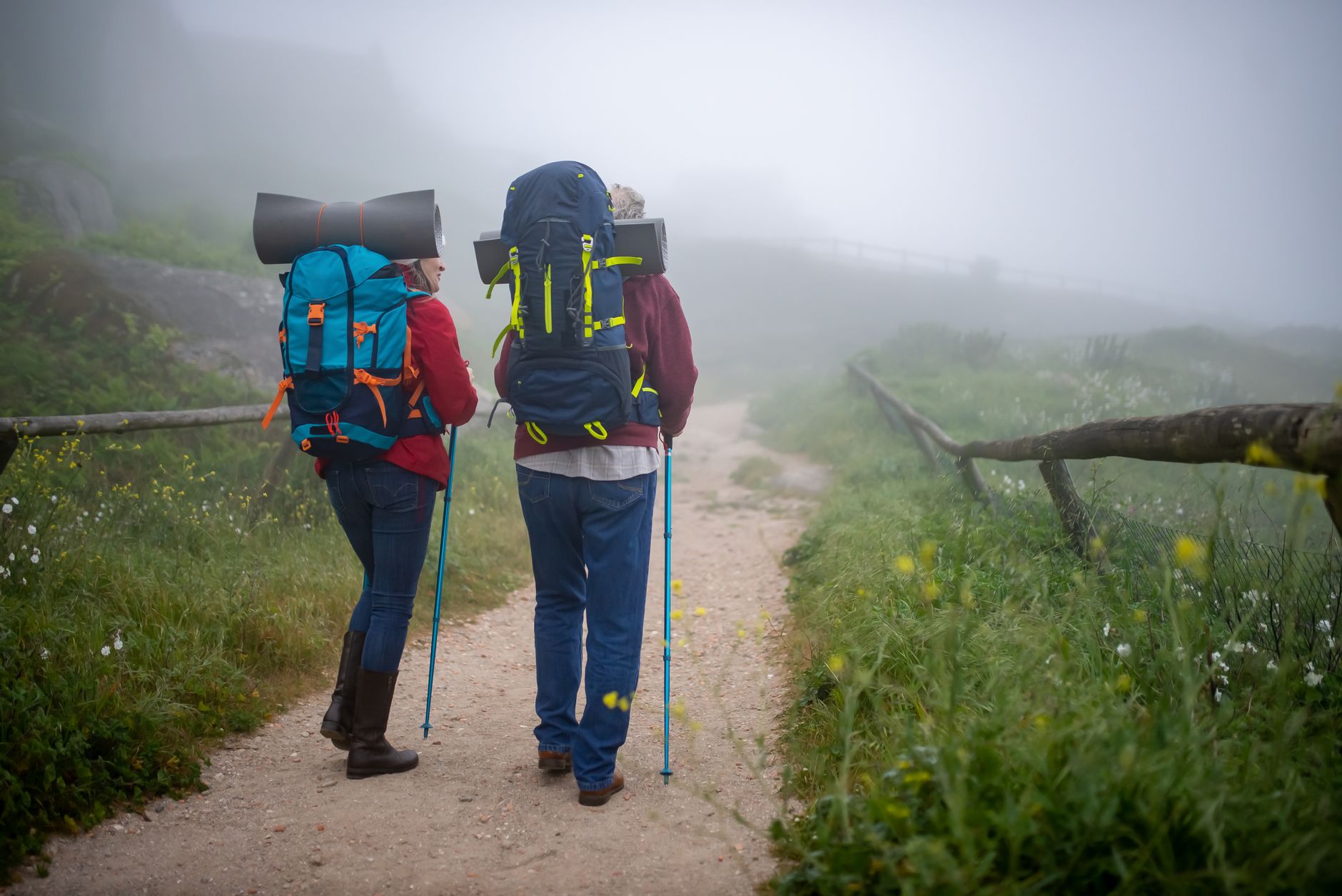
Kentucky’s bourbon country just welcomed 2.7 million visitors in 2025—a record that shows no signs of slowing as spring 2026 unfolds. With more travelers than ever hitting the Kentucky Bourbon Trail®, the old “just wear comfortable shoes” advice isn’t cutting it anymore. Spring in the Bluegrass is gloriously unpredictable: 75°F and sunny at Buffalo Trace by noon, then 45°F and driving rain at Woodford Reserve by 4 p.m. If you’re searching for bourbon trail spring 2026 what to pack, you’re already ahead of the crowds who show up in flip-flops and regret it by the second rickhouse tour.
This isn’t another generic “layers are good” list. After tracking weather patterns across the trail for six springs and getting caught in more Kentucky downpours than I care to admit, here’s the field-tested gear strategy that keeps you comfortable from first pour to last.
The Spring Weather Reality Check: Why Most Packing Lists Fail
Kentucky spring weather operates on what meteorologists call “high variability” and what locals call “all four seasons before lunch.” March averages 52°F highs; April jumps to 64°F; May settles around 73°F. But averages lie. I’ve seen 85°F Easter weekends and Memorial Day weekends that needed light jackets.
The real problem? Distillery architecture amplifies everything. Those gorgeous rickhouses with their black mold and open ventilation? They’re 10-15 degrees cooler inside than ambient temperature, with humidity that clings to your skin. Tasting rooms trend warm and crowded. Outdoor barrel walks happen rain or shine. Most packing guides treat bourbon tours like a casual stroll; they’re actually climate-zone hopping.
Here’s what that means for your bag: you need systems, not single items. Every piece should work in at least two temperature scenarios.
The Layering System That Actually Works for Rickhouses
Let’s get specific about what “layers” means in bourbon country.
Base layer: Merino wool or lightweight synthetic, never cotton. You’ll sweat in crowded tasting rooms; cotton stays damp and chills you in rickhouses. A merino crew neck handles 50°F mornings and 75°F afternoons without odor buildup across three days of tours.
Mid layer: Packable down vest or lightweight fleece. The Patagonia Nano Puff or similar compresses to nothing but adds crucial insulation in cool rickhouses. Skip bulky hoodies—they’re hot in tastings and awkward in crowded barrel rooms.
Outer shell: This is where most travelers fail. You need a breathable rain jacket, not a plastic poncho. Kentucky spring rain comes warm and heavy; you’ll steam in cheap waterproofing. The REI Rainier or similar with pit zips pays for itself on day one. Bonus: many distilleries (Maker’s Mark, Wilderness Trail) have substantial outdoor walking between buildings.
Bottoms: Stretch chinos or travel jeans. Real denim gets heavy when wet and restricts movement on barrel-stair climbs. I’ve seen too many people struggle up the seven-story rickhouse at Buffalo Trace in stiff jeans.
Footwear: The Make-or-Break Decision
This deserves its own section because it’s the #1 complaint I hear from spring travelers.
Do not wear: Flip-flops, sandals, brand-new leather boots, or anything with a smooth sole. Distillery floors are concrete, brick, sometimes gravel, occasionally wet from barrel washing. Rickhouse stairs are narrow metal with open risers. I’ve watched someone in boat shoes slide on the limestone floor at Four Roses.
Do wear: Broken-in hiking shoes or trail runners with aggressive tread. Salomon, Merrell, Hoka Trail models—anything with real grip. Waterproofing helps but isn’t essential if you packed that rain shell with a decent hood.
The pro move: Pack two pairs. Rotate daily. Your feet will thank you after day two’s 12,000 steps between Willett, Heaven Hill, and Bardstown Bourbon Company. I alternate Darn Tough wool socks between pairs; they dry overnight and resist odor better than anything synthetic I’ve tested.
The Smart Extras: What Experienced Trail Travelers Carry
These aren’t “nice to have” items anymore. With 2.7 million annual visitors, lines are longer, waits are real, and the trail’s infrastructure strains at peak spring weekends.
Insulated water bottle: Counterintuitive on a whiskey trip, but dehydration hits harder than you’d think—dry warehouse air, walking between stops, alcohol’s diuretic effect. I carry a 20oz Hydro Flask and refill at every distillery. Most have excellent filtered water; use it.
Portable phone battery: 10,000mAh minimum. You’re photographing, navigating between rural distilleries with spotty signal, checking reservation apps, and maybe running your digital passport. Spring 2026’s increased visitation means more time waiting in areas without convenient outlets.
Collapsible tote bag: Distillery purchases add up fast. That limited release at Willett, the exclusive single barrel at Heaven Hill, the glassware at Maker’s Mark—suddenly you’re carrying four bottles through three more stops. A packable tote (Sea to Summit Ultra-Sil, 2.4oz) lives in your pocket until needed.
Polarized sunglasses: Kentucky spring sun is low-angle and intense, especially driving between distilleries on winding rural roads. The glare off limestone buildings and white rickhouse exteriors is genuinely fatiguing.
Lip balm with SPF: Sounds minor until you’ve spent three hours in an open-air fermentation deck at Wild Turkey with wind and sun. Chapped lips and whiskey don’t pair well.
The Reservation-Proof Backup Kit
Here’s the angle no other packing guide covers: what happens when your perfectly planned day unravels.
Spring 2026’s record visitation means reservations are competitive. Even “no reservation required” distilleries (check our separate guide on those) can hit capacity. Weather delays tours. Traffic between Bardstown and Frankfort moves at farm-equipment speed during planting season.
Your backup kit lives in your car or daypack:
-
Lightweight camp chair: The REI Flexlite or similar (1lb 12oz) transforms a 90-minute wait at a popular stop into comfortable planning time for your next day. I’ve used mine at Buffalo Trace’s outdoor queue, at Heaven Hill when indoor seating filled, and during unexpected outdoor events.
-
Snack bars: Distillery cafes run out. Kitchens close early. Kentucky’s bourbon corridor has food deserts between towns. RXBARs, Kind bars, something with protein and fat to slow alcohol absorption.
-
Paper maps: Cell service dies between Versailles and Lawrenceburg, right when you need navigation most. The Kentucky Bourbon Trail® publishes an excellent physical map; grab one at your first stop.
-
Cash: Some rural distilleries and their surrounding restaurants still operate cash-only or have card minimums. Spring festival weekends strain local payment systems.
Bourbon Trail Spring 2026 What to Pack: The Final Checklist
Before you load the car for that Lexington or Louisville launch point, run through this:
- Merino or synthetic base layer (2-3)
- Packable insulating layer
- Breathable rain shell with hood
- Stretch travel pants/shorts (2 pairs)
- Broken-in hiking shoes + backup pair
- Wool socks (3-4 pairs)
- Insulated water bottle
- 10,000mAh battery pack
- Collapsible tote bag
- Polarized sunglasses + SPF lip balm
- Camp chair, snacks, paper map, cash (backup kit)
The Kentucky Bourbon Trail®‘s 2.7 million 2025 visitors proved that bourbon tourism isn’t a niche anymore—it’s a mainstream travel category that demands mainstream travel preparation. Spring 2026 rewards the planners, not the improvisers. Pack for weather that changes hourly, crowds that exceed expectations, and rural infrastructure that moves at its own pace. The whiskey will be exceptional regardless; your comfort depends entirely on what you brought from home.