
New Bourbon Trail Stops with Food Options: The 2026 Guide to Tasting Without the Hunger Games
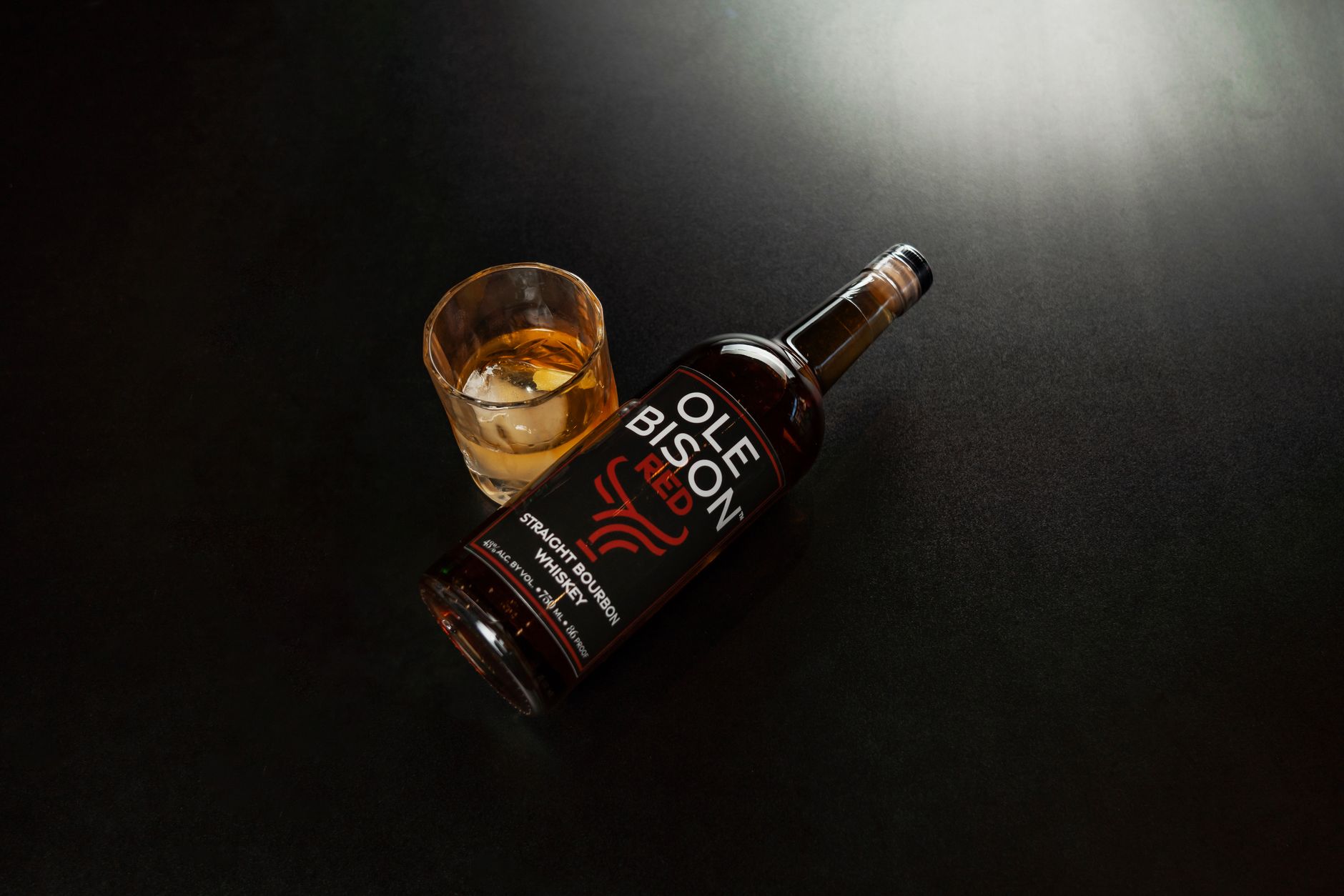
The “Bourbon Bliss - Explore Kentucky’s Distillery Delights” campaign just dropped its 2026 summer push, and here’s what nobody’s talking about: half the shiny new distilleries on that promotional map will leave you ravenous by your third pour. Kentucky’s bourbon renaissance isn’t just about juice anymore—it’s about the full experience. Yet too many travelers still pack protein bars because they assume new stops are tasting-only affairs.
That ends now. I’ve spent the last three months driving between Lexington and Louisville, mapping new bourbon trail stops with food options that actually serve more than pretzel sticks and cheese cubes. This isn’t another “here are new distilleries” list. This is your survival guide for eating well while you drink well at the trail’s freshest addresses.
Why Food Matters More Than Ever at New Stops
Kentucky’s Alcoholic Beverage Control regulations tightened food service requirements in early 2026, pushing new distilleries to either partner with local kitchens or build their own. Smart operators saw opportunity. The result? A crop of newcomers where the culinary program isn’t an afterthought—it’s a competitive advantage.
Here’s what changed:
- Pour limits tie to food availability: New distilleries serving full meals can offer longer tastings (up to 1.5 oz per spirit vs. 1 oz at food-free stops)
- Insurance incentives: Several 2026 insurers now require food service for liability coverage on high-proof tastings
- Visitor retention: The average guest stays 2.3 hours at food-serving distilleries versus 47 minutes at tasting-only spots
Translation? If you’re planning a multi-stop day, prioritizing new bourbon trail stops with food options isn’t just about comfort—it’s about getting more from each visit.
The 2026 Rookie Class: Where to Eat and Drink
Station 6 Spirits (Bardstown)
Opened March 2026 in a renovated 1890s tobacco warehouse. Chef Whitney Okoli (formerly of Louisville’s Proof on Main) runs a compact menu that changes with distillery production cycles.
What to order: The “Mash Bill Bowl”—farro, bourbon-barrel-smoked brisket ends, and pickled vegetables—pairs with their high-wheat bourbon. The kitchen literally overlooks the fermentation tanks.
Pro tip: Reserve the “Grain to Glass” lunch. $45 includes a four-course tasting menu where each dish incorporates the same grain bill as the paired pour.
Food service hours: Wednesday–Sunday, 11 a.m.–3 p.m. (kitchen closes 30 minutes before last tasting)
Copper & Grain Collaborative (Frankfort)
Five micro-distilleries share this 2025-opened facility, but the 2026 addition is The Commissary—a central kitchen serving all tasting rooms. Think food hall meets bourbon campus.
What works: Order from any of four counters (BBQ, Appalachian small plates, burger bar, or pastry shop) and eat in your chosen distillery’s seating area. The shared model keeps quality high and prices reasonable.
Standout: The “Collaboration Plate” ($22) lets you pick proteins from three different counters. Pair with a “passport flight”—1 oz pours from all five resident distilleries.
Critical detail: The Commissary operates 10 a.m.–6 p.m. daily, but individual distillery kitchens sometimes close early if staffing’s thin. Call ahead on Tuesdays.
Wildwood Reserve (Lawrenceburg)
The most ambitious food program of 2026’s newcomers. Executive Marcus Webb built a 40-seat restaurant before the stills even arrived. His logic: “Nobody remembers their eighth tasting of the day. They remember the meal that grounded it.”
The concept: Kentucky terroir. Every ingredient sourced within 75 miles, every dish finished with a distillery product.
Must-try: Barrel-charred carrots with bourbon molasses and benne seed. Sounds precious. Tastes like someone finally figured out vegetables at a distillery.
Reservation reality: Dinner service (Thursday–Saturday) books 14 days out. Lunch walk-ins possible Tuesday–Wednesday. The Sunday “Recovery Brunch”—bourbon-spiked Bloody Marys with country ham biscuits—has become a local phenomenon.
Hidden Food Gems at Lesser-Known Stops
Not every new bourbon trail stop with food options has a PR team. These under-the-radar spots deserve your stomach’s attention:
- Thistle & Oak (Shelbyville): Family-run, opened January 2026. The owner’s mother makes soup beans and cornbread daily. No menu—just what’s cooking. $8. Cash only.
- Rivers Edge Distilling (Carrollton): Riverfront location with a permanent food truck, The Drunken Pig, serving bourbon-glazed pork belly tacos. The truck’s been there since March; the distillery’s still waiting on final permitting. Somehow both operate in legal harmony.
- Barrel House 77 (Winchester): Attached to a working cattle farm. Their “Pasture to Pour” burger uses beef from cows fed spent mash. The circle of life, with pickles.
Building Your Food-Forward Itinerary
Distance matters when you’re eating and drinking. Here’s a tested 2026 route that maximizes new bourbon trail stops with food options without requiring designated-driver heroics:
Day 1: Lexington to Lawrenceburg
- Morning: Wildwood Reserve lunch (arrive 11:30, beat rush)
- Afternoon: Station 6 Spirits (30 minutes north, 1:30 p.m. seating)
- Evening: Downtown Lawrenceburg for dinner—The Riceland for non-distillery recovery meal
Day 2: Frankfort Focus
- Copper & Grain Collaborative (10 a.m. arrival, beat Commissery lines)
- Afternoon: Buffalo Trace (established, but their 2026 “E.H. Taylor Kitchen” expansion qualifies as new food option)
- Evening: Frankfort’s historic district
Day 3: Northern Loop
- Thistle & Oak for late breakfast (opens 9 a.m.)
- Rivers Edge for lunch
- Optional: detour to Newport on the Levee for non-bourbon palate reset
Critical math: Budget 90 minutes per food-serving stop versus 45 minutes for tasting-only. Attempting three food stops in one day is doable but aggressive. Two is civilized.
What to Ask Before You Go
New distilleries evolve fast. Verify these details within 48 hours of visiting:
- Is the kitchen operational today? Soft openings often list full hours before consistent service
- Do I need a tasting reservation AND a dining reservation? Some systems aren’t integrated (looking at you, Station 6)
- What’s the pour-to-food ratio? Kentucky’s 2026 guidelines suggest 1 oz of food per 1 oz of 80-proof spirit consumed. Good kitchens know this. Ask if they adjust pairings accordingly.
- Can dietary restrictions be accommodated? Wildwood’s excellent but limited menu struggles with vegan requests. Copper & Grain’s multiple counters handle variety better.
The Bottom Line
Kentucky’s bourbon trail matured past the “taste and flee” model. The 2026 newcomers understand that memorable experiences require sustenance, not just spirits. “Bourbon Bliss - Explore Kentucky’s Distillery Delights” sells the dream; this guide gets you through the day without low-blood-sugar meltdowns in a rickhouse.
New bourbon trail stops with food options aren’t just convenient—they’re where the industry’s heading. Station 6’s chef-driven approach, Copper & Grain’s collaborative model, and Wildwood’s terroir obsession represent three distinct futures. Try all three, and you’ll understand why Kentucky finally stopped treating food as a regulatory checkbox and started treating it as the point.
Plan your meals like you plan your pours. Your palate—and your designated driver—will thank you.